Advertisement
We all get why brushing at night is essential — it’s the last clean-up before hours of stillness. But why bother brushing again first thing in the morning? After all, you just cleaned everything before bed!
The answer lies in what happens overnight in your mouth when you’re asleep. Here’s the science, explained simply (with a helpful analogy).

The Big Difference: Day vs. Night in Your Mouth
During the day:
- You’re constantly moving: talking, chewing, swallowing, breathing
- This stimulates lots of saliva production
- Saliva acts like a natural rinse — washing away food bits, neutralizing acids, and making it harder for bacteria to stick
At night (especially while sleeping):
- Oral movements stop almost completely
- Saliva flow drops dramatically (up to 80–90% less)
- Without that constant flushing, bacteria multiply rapidly and form plaque on your teeth
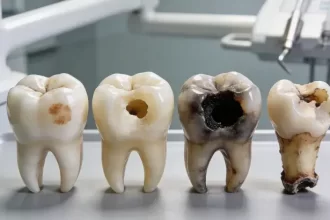
Research shows that just a few nights without brushing can lead to noticeable gum inflammation the next morning. Overnight, plaque matures quickly — the bacteria start producing acids and toxins that attack enamel and irritate gums.
Here are visual examples showing overnight plaque buildup and the difference between day and night oral conditions:
And illustrations of morning bad breath and bacterial plaque that has accumulated overnight:
Bottom line: Even if you brushed perfectly the night before, by morning your teeth have a fresh layer of plaque — and that’s why your breath often smells bad when you wake up.
The Helpful Analogy: Your Teeth Are Like a Bowl in a Dusty Cabinet
Imagine your teeth are like a bowl you eat from every day — but this bowl has no lid and sits inside a dusty cabinet (your mouth, full of bacteria).
- During the day: The cabinet door is open, you’re using the bowl (eating/drinking), and a little breeze (saliva) keeps dust away.
- At night: You wash the bowl thoroughly → but then you put it back in the dusty cabinet with the door closed for 8+ hours. Dust (bacteria/plaque) settles again overnight.
So:
- Morning brush = You must rinse off the overnight dust before using the bowl for breakfast (otherwise you’re eating with a dirty bowl → bad breath, acid damage, higher cavity/gum risk)
- Night brush = You clean the bowl after the last meal and put it away clean (but overnight dust still happens)
That’s why both are necessary — morning and night.
Why Brushing Alone Isn’t Enough (Even with Perfect Technique)
Even the best brushing only removes about 50% of plaque on average. That’s why we recommend:
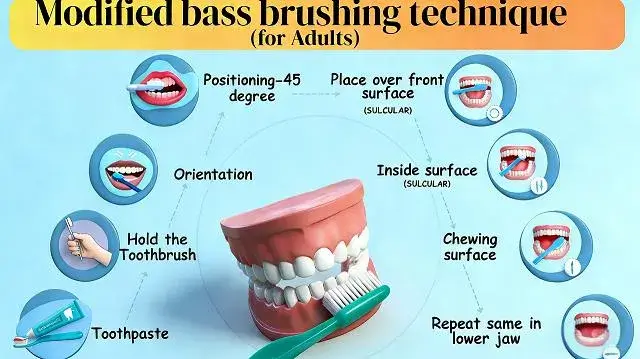
- Brush for 2–3 minutes twice daily
- Hit every surface (especially back molars)
- Use floss, water flosser, or interdental brushes daily — these reach places brushing can’t
- Gently clean your tongue (major source of morning breath)
Quick Summary: Why Both Times Matter
- Night brush → Removes the day’s food, plaque, and bacteria before the long “still” period when saliva is low
- Morning brush → Clears the overnight plaque buildup, freshens breath, and prepares your mouth for the day
Skip either one regularly, and you’re giving bacteria a head start toward cavities, gum disease, and chronic bad breath.
Make both habits non-negotiable — your mouth (and your partner/friends) will thank you!
Do you struggle more with morning or night brushing? What’s your go-to routine? Drop a comment — let’s share tips! 🦷✨