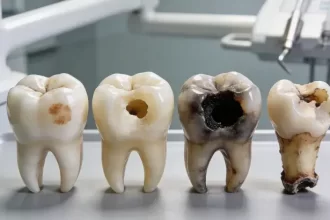
Advertisement
Bleeding gums are one of the most common oral health complaints — and one of the earliest warning signs of gum disease (gingivitis). It can happen when you brush, floss, eat something crunchy, or even spontaneously in more advanced cases. The good news? In most cases, bleeding gums are preventable with consistent habits.
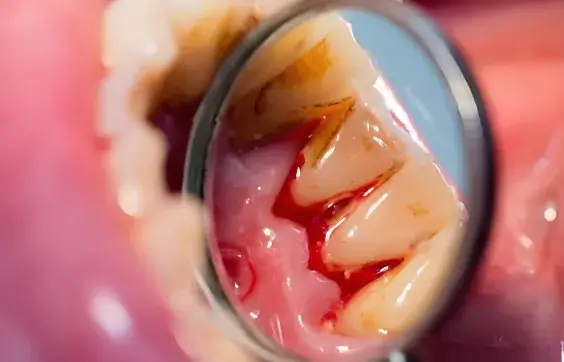
Healthy gums are firm and pink (not red or swollen). If yours bleed easily or leave blood marks on fruit, it’s time to take action before it progresses to more serious gum disease.
Here are the proven, dentist-recommended ways to stop and prevent bleeding gums starting today.
1. Brush Properly — Twice a Day, Gently
Switch to a soft-bristled toothbrush (manual or electric) and brush for 2 full minutes twice daily. Use gentle, circular motions along the gum line — never scrub hard!
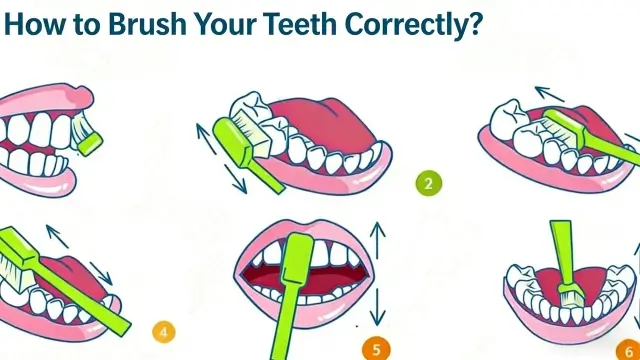
Here are some examples of proper brushing technique:
Tip: Consider rotating between different anti-gingivitis or hemostatic (bleeding-control) toothpastes for variety and extra protection against plaque.
2. Floss (or Use Interdental Brushes) Daily
Flossing removes plaque and food particles from between teeth and under the gum line — places your toothbrush can’t reach. Do it at least once a day (ideally after meals and before bed).
If spaces are wide, use interdental brushes instead of regular floss.
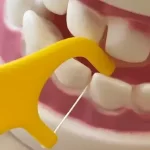
Check out these close-up examples of correct flossing:
Note: It’s normal for gums to bleed a little when you first start flossing regularly — they toughen up within a week or two.
3. Rinse with Mouthwash After Meals
Use an antiseptic or therapeutic mouthwash (look for ones with fluoride or anti-plaque ingredients) to kill bacteria and freshen breath. For gum inflammation, chlorhexidine-based rinses can be especially effective (ask your dentist).
A quick homemade alternative: Warm salt water rinse (1/2 teaspoon salt in 8 oz warm water) — swish for 30 seconds.
4. Get Professional Cleanings Regularly
Plaque hardens into tartar (calculus), which irritates gums and causes bleeding. No home routine can remove tartar once it’s formed — that’s why professional scaling (deep cleaning) is essential.
Most people need a cleaning every 6–12 months. If you have gum disease history, it might be more frequent.
See the dramatic difference professional tartar removal makes:
5. Watch for Other Common Causes
- Poor restorations — Old crowns, bridges, or dentures that press on gums can cause chronic irritation.
- Wrong brushing technique — Aggressive scrubbing traumatizes delicate gum tissue.
- Systemic issues — Conditions like vitamin deficiencies (C or K), diabetes, liver problems, or blood disorders can contribute. If bleeding persists despite good hygiene, see your dentist and doctor.
Here’s a visual comparison of healthy vs. unhealthy gums — spot the difference:
The Bottom Line
Bleeding gums are your mouth’s way of saying: “Hey, something’s off!” Most cases are caused by plaque buildup and poor hygiene — and they’re reversible in the early stages with consistent care.
Start today: soft brushing, daily flossing, mouthwash, and schedule that overdue dental check-up. Your gums (and future smile) will thank you!
Have you noticed bleeding when you brush or floss? What changes helped you most? Share in the comments — your tip could help someone else! 🦷✨